Riyadh, Saudi Arabia, 23 June 2026 – Tourist spend in Saudi Arabia reached SAR82.7 billion in Q1 2026, with visitor numbers growing 8% year–on–year to 37.2 million during the quarter, says leading real estate advisory and hospitality sector consultancy, Cavendish Maxwell.
Between January and March, the number of domestic tourists rose 16% to almost 29 million, accounting for 78% of all visitors, while inbound visitor figures dropped 13% to 8.3 million, according to Cavendish Maxwell’s latest hospitality sector insight.
While overseas visitors made up only a fifth of all tourists in Q1, theygenerated nearly 60% of tourism expenditure: SAR48 billion compared to SAR34.7 billion from the domestic market, highlighting the significant spending power of inbound travellers. In addition, although Q1 overseas visitors were 13% lower than last year, their total spend was down by just 7%, suggesting that the average outlay per visitor increased year-on-year.
The research, released to coincide with the Future Hospitality Summit Saudi Arabia, currently taking place in Riyadh, reveals that, after an initial high of nearly 75% occupancy in January, the rate dipped to 63% year-to-date by May – down 1.3% on the previous year.
Occupancy was higher at hotels in Makkah, with nearly 84% in January and just under 73% year-to-date by May, a 12% increase on the sameperiod last year. At Madinah, it reached almost 85% in January, with a cumulative rate of 76% by May – down 3% on 2025.
At a national level, the average daily rate (ADR) was SAR662 in January, up almost 5% on January 2025. By May, it stood at SAR825 year to date, 12% higher than last year. ADR varied widely at a city level in the first five months of 2026, with some areas up on last year,and others down. Year to date by May, ADR in Makkah grew 24% to SAR918, with Madinah up 5.7% to SAR878. Riyadh hotels’ ADR was SAR771, around 6% lower than last year; with Jeddah down 7% to SAR635.
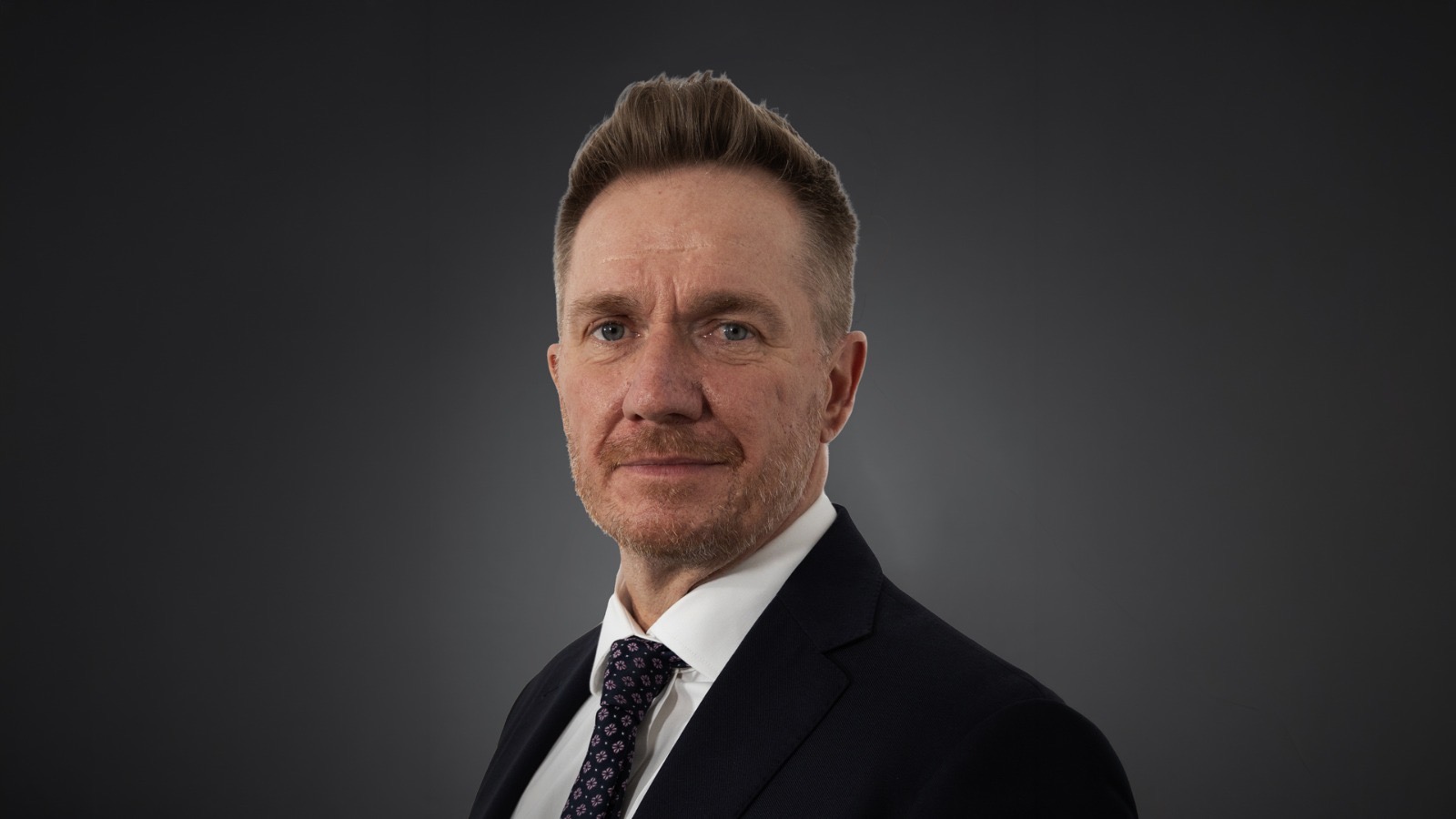
Kevin Duffield, Director of Built Asset Consulting at Cavendish Maxwell, said: “Religious tourism is a key demand driver for Saudi Arabia, with Makkah and Madinah continuing to outperform other destinations. The positive impact of the Hajj season is clear in Makkah’s higher occupancy and ADR levels during May. When June’s figures are available, we expect to see strong figures for Madinah, where many pilgrims head after Hajj. Meanwhile, ongoing investments in pilgrimageinfrastructure, combined with significant hotel expansion, should support long-term growth across both cities.”
KSA currently has just over 176,000 hotel rooms in total, including 64,330 in Makkah; 28,000 in Riyadh; 22,115 in Madinah; 16,080 in Jeddah; 8,580 in Al Khobar 4,465 in Dammam; and 32,440 elsewhere in the country. Higher end hotels account for two thirds of accommodation across the country, and as much as 73% in Riyadh and 70% in Madinah.
Saudi Arabia is set to deliver 105,500 new keys across 382 hotels between now and 2030 as part of its tourism, hospitality, real estate and infrastructure transformation in line with KSA Vision 2030. Nearly 18,150 rooms (82 hotels) are due to come to the market this year, with Makkah and Madinah accounting for around 40% of new keys in 2026. This year, Riyadh will get more than 2,780 new keys (15 hotels), Jeddah nearly 2,750 keys (18 hotels) and Al Khobar 760 rooms across 5 hotels. The remaining 5,000 new rooms for 2026 are spread across other parts of the country.
Meanwhile Dammam, an emerging hotspot for real estate and tourism in KSA, will boost its hotel offering from next year, with more than 1,900 rooms across 6 hotels set for delivery between 2027 and 2029.
Saudi Arabia is targeting 150 million annual domestic and international visitors by 2030, with major upcoming global events set to further strengthen the country’s tourism and hospitality industry. Riyadh Expo 2030 and the FIFA World Cup 2034 are expected to attract a combined total of over 42 million visitors.
Kevin Duffield added: “As the Middle East’s biggest travel and tourism economy – and fastest-growing tourism market – Saudi Arabia is delivering a wealth of world-leading destinations, hotels and resorts to help turn Vision 2030 into a reality.
“Like elsewhere in the region, KSA’s hospitality and tourism sectors have been affected by geopolitical tensions, but reductions in inbound tourism have been largely offset by an increase in domestic travel, particularly in destinations like Makkah and Madinah during Ramadan, Eid and Hajj season.
“While uncertainty and lower international travel demand may continue to influence market performance in the short term, the combination of growing domestic tourism, sustained pilgrimage activity, and continued investment in tourism infrastructure positions the sector well for recovery and longer-term development.”
Download the analysis