
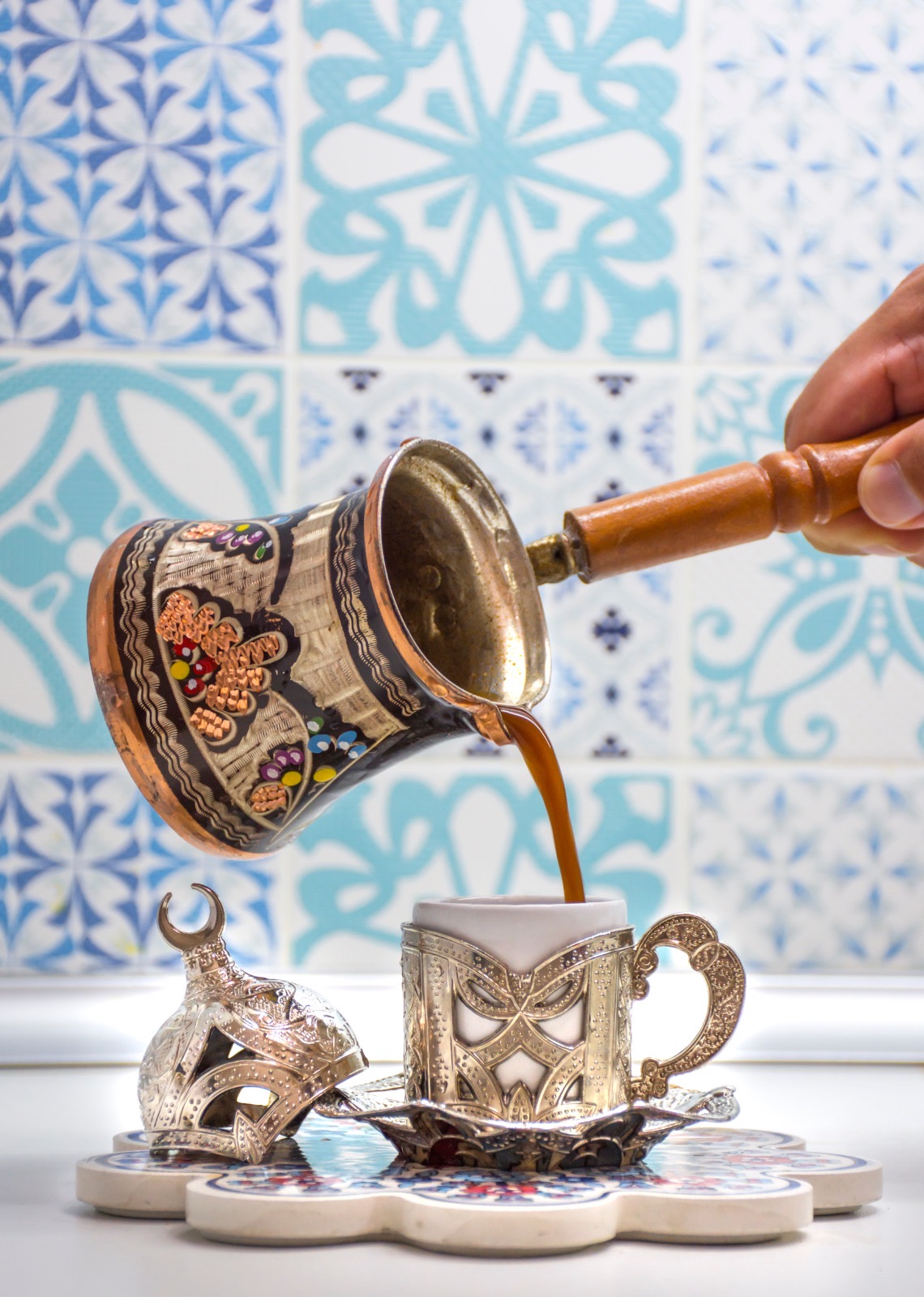
Discovering a destination’s flavours can open the door to its culture, everyday rituals and conversations. According to a recent travel trends report, 82% of respondents say hands-on experiences deepen their appreciation of local culture, with local flavours also emerging as a gateway to discovering a destination. In Türkiye, a cup of Turkish coffee brings these experiences together: a taste of culinary heritage, an invitation to conversation and a centuries-old expression of hospitality.
With its unmistakable aroma, velvety foam and traditional brewing method, Turkish coffee is an essential part of this shared cultural experience. Its rich heritage gained international recognition in 2013, when Turkish Coffee Culture and Tradition was inscribed on UNESCO’s Representative List of the Intangible Cultural Heritage of Humanity.
World Turkish Coffee Day on 5 December offers the perfect occasion to explore this living tradition across Türkiye. From sharing a cup in historic coffeehouses to discovering regional varieties and learning traditional brewing techniques, visitors can experience a coffee culture in which the conversation is as much a part of the ritual as the drink itself.
Turkish Coffee: A Centuries-Old Legacy
Although Türkiye is renowned for its tea culture, Turkish coffee holds an equally cherished place in daily life. Introduced from Yemen to İstanbul in the 16th century, coffee soon inspired the first coffeehouses of the world, where people gathered to exchange ideas and enjoy conversation. European diplomats and merchants helped carry the tradition beyond the Ottoman capital, spreading it across Europe.
Turkish coffee stands out for its distinct aroma and velvety texture. But what makes it so iconic? The secret lies in its preparation: finely powdered coffee beans are slowly heated with water in a small pot called a ‘cezve’, creating its signature foam. Prepared unsweetened or with sugar to taste, Turkish coffee is served in small cups called ‘fincan’, often accompanied by Turkish delight.
From everyday catch-ups to engagement ceremonies, Turkish coffee brings people together and remains a heartfelt expression of hospitality. The conversation often continues with another beloved ritual: reading fortunes from the grounds left in the cup. Together, these customs invite travellers to slow down, share a moment and connect with local life—a pleasure that takes on different flavours across Türkiye.
A Mini Turkish Coffee Route for Coffee Gourmets
Following the route of Turkish coffee across Türkiye, you can go café hopping and join hands-on workshops to master the art of brewing it yourself. However, if you are looking for a deeper cultural immersion, explore the country’s diverse regional varieties along this mini coffee trail curated just for you.
Your journey begins in vibrant İstanbul. Districts across the Historical Peninsula—including Sultanahmet, Sirkeci, and Eminönü—as well as modern quarters such as Karaköy, Galata, and Kadıköy, are brimming with atmospheric coffeehouses. Let the scent of freshly ground beans lead the way through these neighbourhoods. Soon, you will find a cosy spot to try Turkish coffee brewed on hot sand or embers, which develops a noticeably deeper, richer taste.
You can also enjoy this delightful café-hopping experience in other major cities with thriving coffee cultures, such as Ankara and İzmir. In the capital, Ankara, head to trendy cafés popular with young locals in lively districts like Tunalı Hilmi Street and Çankaya to savour a classic cup.
In İzmir, you can enjoy your Turkish coffee overlooking the Gulf of İzmir in Alsancak or tucked away in cafés lining its charming backstreets framed by bay-windowed houses. Similarly, in the city’s MICHELIN-starred culinary oasis, Urla, you can stop by quaint cafés—especially along Sanat Street—for a traditional brew. Just a short distance away in Alaçatı, however, try Turkish coffee with mastic gum. Here, sipping a cup of mastic-flavoured Turkish coffee in a café tucked along its cobblestone streets is wonderfully refreshing.
Heading southeast, make a stop in Gaziantep to try Gaziantep menengiç coffee, which received the European Union’s Protected Designation of Origin (PDO) status in 2024. Naturally caffeine-free, menengiç is made from the roasted berries of the Pistacia terebinthus tree. Further east in Şanlıurfa andMardin, you can sample mırra, renowned for its intensely bitter flavour. It gets this bold punch from being roasted twice. Meanwhile, Adıyaman’s kervansaray coffee offers a contemporary twist on coffee culture, blending coffee with chocolate, cream, salep, carob, menengiç and mastic gum for a rich and distinctive flavour. Another favourite found across Türkiye is dibek coffee, traditionally prepared by pounding roasted coffee beans in a stone mortar rather than grinding them in a conventional mill. Modern variations may also incorporate aromatic ingredients, creating a range of flavour profiles.
While on a Turkish coffee tour across the country, you can also visit the Turkish Coffee Museum in Karabük’s Safranbolu, a town celebrated for its authentic Ottoman-era houses and the only destination in Türkiye included on both the UNESCO World Heritage List and the Cittaslow network. For travellers who want to bring the ritual home—or share it with loved ones—this coffee route offers the perfect souvenir: a gift set with a cezve, a bag of finely ground Turkish coffee, and a pair of traditional porcelain cups.
Please click the link for Turkish Coffee images