
Riyadh, Saudi Arabia – 6 August 2026 – As the Kingdom of Saudi Arabia advances Vision 2030 and continues to strengthen its position as one of the world’s leading centres for Islamic finance and investment, a new Standard Chartered report highlights a significant opportunity to deepen cross-border connectivity between Islamic capital and high-growth markets. Despite Islamic finance assets approaching USD6 trillion globally, only 6% of global sukuk capital currently reaches South Asia and Africa, underscoring the need for stronger financing and investment corridors to unlock the industry’s next phase of growth.
According to Islamic Banking for Financial Institutions: The Islamic Finance Connector Era, evolving trade patterns, regional investment corridors and digital infrastructure are reshaping the role of Islamic finance beyond traditional funding, positioning it as a strategic connector of capital, trade and investment across global markets.
These findings are particularly relevant to the Kingdom, where Vision 2030 is accelerating the development of a more diversified and globally connected financial sector. Through the continued development of its capital markets, growing investment across infrastructure and strategic industries, and an expanding Islamic finance ecosystem, Saudi Arabia is strengthening its role in connecting regional and international investment corridors. Together, these developments reinforce the report’s conclusion that stronger connectivity between capital, trade and investment will define the next phase of Islamic finance growth.
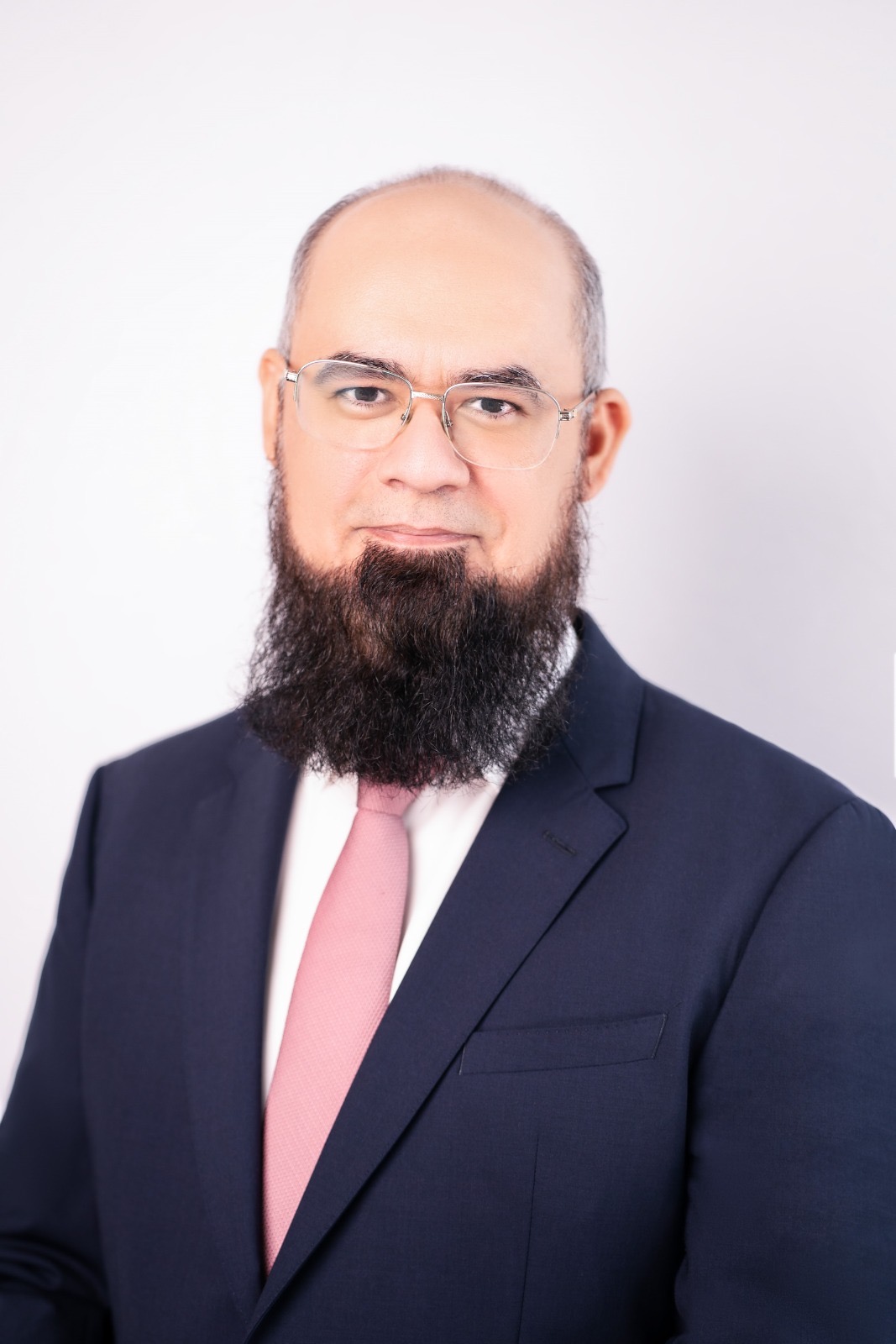
“Islamic finance is becoming a critical enabler of cross-border connectivity. As its role in facilitating trade, investment and capital flows continues to grow, financial institutions must place Islamic finance firmly on their strategic agenda,” said Khurram Hilal, CEO, Group Islamic Banking, Standard Chartered.
“As investment flows and trade corridors continue to evolve across the GCC and beyond, institutions need recognised financing structures and operational capabilities that enable Shariah-compliant capital to move seamlessly across borders.”
Mazen Bunyan, CEO Standard Chartered Saudi Arabiasaid, “the next phase of Islamic finance will be defined by its ability to connect liquidity with opportunity across borders, and Saudi Arabia is well positioned to play a leading role in that evolution. Through Vision 2030, continued financial sector reforms and deeper international connectivity, the Kingdom is strengthening its position as a gateway for cross-border Islamic capital, trade and investments across the GCC, Asia and Africa.”
The report highlights rapidly evolving trade corridors between the GCC, Asia and other emerging markets as creating new opportunities for Islamic trade finance, cross-border investment and capital mobilisation. It also identifies growing demand for private credit, infrastructure finance, digital assets and tokenisation as key areas supporting the next phase of Islamic finance growth.
“The challenge for many markets today is not a shortage of liquidity, but how to connect that liquidity with opportunity more effectively across borders,” Khurram Hilal added. “Financial institutions that build trusted connections between capital, markets and digital infrastructure will be best positioned to support sustainable growth across emerging economies.”
With one of the world’s leading international Islamic banking franchises, Standard Chartered supports clients across these evolving trade and investment corridors through Shariah-compliant solutions, deep market connectivity and cross-border capabilities, helping connect capital with opportunity across the markets it serves.
The full Standard Chartered Islamic Banking for Financial Institutions: The Islamic Finance Connector Era report is available here: Standard Chartered – https://www.sc.com/en/corporate-investment-banking/islamic-banking/financial-institutions-report/